
Carcaixent

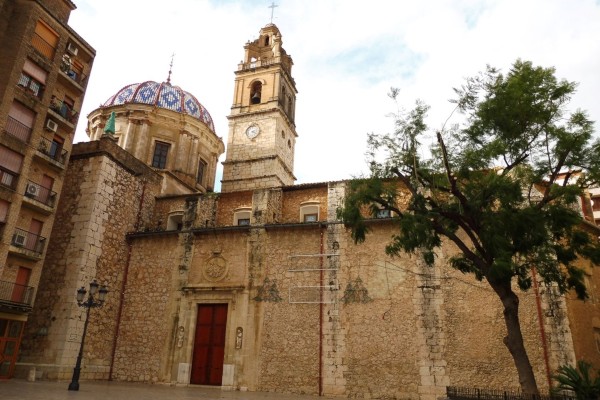
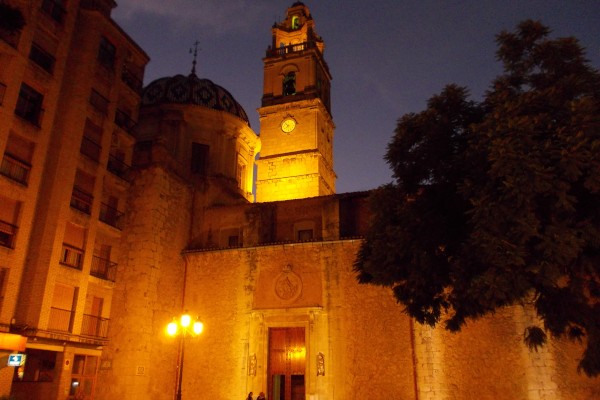

Carcaixent (in Castilian Carcagente) is a Spain town located in the Valencian Community, in the province of Valencia, Spain. It lies about 40 km south of Valencia, in the Ribera Alta region, and is best known as the birthplace of commercial orange cultivation in Spain. It is situated along the route of the Via Augusta, the ancient Roman road that connected Cádiz to Rome. The town is served by the Valencia-Xàtiva railway line.
The name Carcaixent derives from Arabic (qarqaysand), reflecting the Muslim influence in the area until the Christian Reconquista of the thirteenth century. Following the conquest of Valencia by James I of Aragon in 1242, Carcaixent was repopulated with Christians and became an important agricultural centre. In the nineteenth century, the intensive cultivation of oranges developed, transforming Carcaixent into a key hub for citrus exports. This earned it the title Cuna de la Naranja (Cradle of the Orange) in Spain. With industrialisation and the expansion of rail transport, the town continued to grow economically.
Carcaixent remains an important centre for citrus production today, with vast plantations of oranges and mandarins. In addition to agriculture, the service sector and local trade are crucial to the economy. In recent years, the town has developed tourist itineraries focused on the history of the orange and local traditions. Carcaixent also hosts a significant annual agricultural fair dedicated to citrus fruits and regional produce.

Our initiatives
Europe day
9 MAY 2026
Description for this block. Use this space for describing your block.
Title for This Block
Description for this block. Use this space for describing your block.